
If you're facing a tooth that's suddenly sensitive to any pressure while chewing, Dentist Open Now lines up a Fairview, OK provider who handles this exact procedure regularly — not as a side offering.
One call gets you matched with a specialist and a confirmed time — not a callback promise.
+1-866-227-2801 Call Now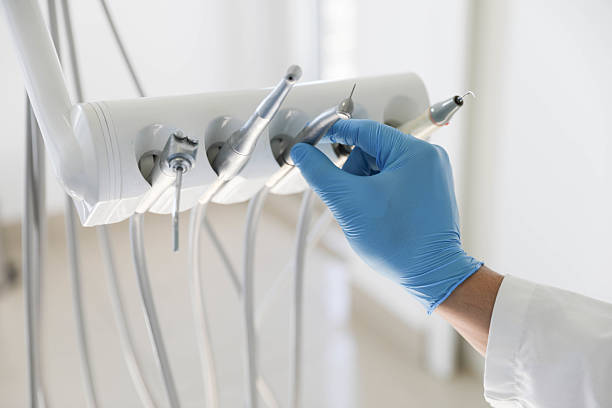
A root canal becomes necessary when the soft tissue inside a tooth — the pulp, containing nerves and blood vessels — becomes infected or inflamed, usually from deep decay or a crack reaching the tooth's interior. The procedure removes that infected pulp, cleans and shapes the inner canals, then seals them to prevent reinfection. Despite its reputation, most patients report the procedure itself feels similar to getting a routine filling.
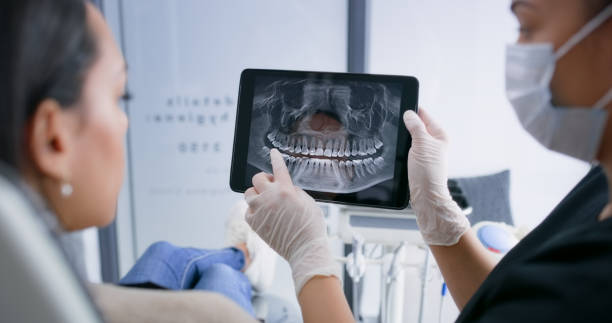
Modern rotary instruments and digital apex locators let an endodontist clean the canal system more precisely than older hand-file methods. Because the tooth loses some structural integrity, a protective crown is typically placed once the canal treatment is complete.
A tooth that's had a root canal no longer has a living nerve inside, which is part of why it can survive without the throbbing pain that brought you in. Patients often notice they can't feel temperature in that tooth anymore, which is expected rather than a sign something's wrong.
Cases involving curved or calcified canals are routed to a specialist experienced with that anatomy.
Precise digital measurement replaces older estimation methods for cleaning the full canal length.
Same-visit completion is common for teeth without complicating factors like severe curvature or infection.
Most patients describe post-procedure discomfort as similar to recovering from a filling, not the tooth pain that brought them in.
Whatever the specifics of your case, the specialist you reach through us has handled it before.
Removes infected pulp, cleans and shapes the canal, and seals it to prevent reinfection.
Addresses canals that were missed or incompletely sealed during an earlier procedure.
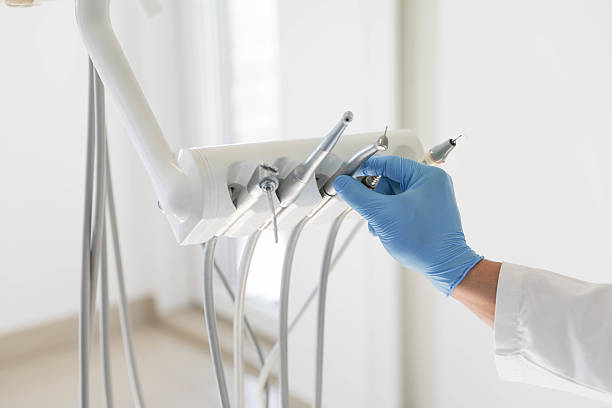
Back-tooth cases with complex canal anatomy are handled with extra imaging and time.
{A crown is fitted after canal treatment to protect the now-brittle tooth from fracturing.|Restores full chewing function and prevents the treated tooth from cracking under normal bite force.}
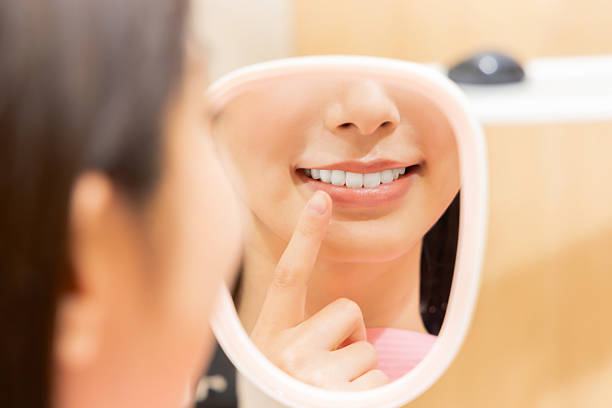
Acute infection cases are prioritized to relieve pain and stop the infection from spreading.
A minor surgical option when infection persists at the root tip after a standard root canal.
You describe what's going on; no automated menu, no long hold.
We match you with a nearby specialist experienced in this exact procedure and check real-time openings.
You get a clear explanation of the treatment plan and its cost before any work begins.
Treatment proceeds on the agreed plan, with clear aftercare instructions and a follow-up if the case calls for one.
"They walked me through the cost and the procedure before I agreed to anything. Appreciated that."
"Didn't have to wait weeks like my old dentist. Straight to a specialist who knew exactly what to do."
"Price they quoted on the phone matched the invoice exactly. No surprise charges."
The pain people associate with root canals is usually from the infection beforehand, not the treatment itself.
Many straightforward cases are completed in a single visit; complex cases may need two appointments.
A crown is typically recommended to protect the tooth from cracking under normal chewing pressure.
The infection doesn't resolve on its own and typically worsens, risking the tooth and nearby bone.
Failure is uncommon but possible; retreatment or apicoectomy can often still save the tooth.
Pricing depends on how many canals are involved, confirmed for you before treatment begins.
We keep an updated roster of specialists across Fairview and the surrounding zip codes, so a nearby provider is already in our network.
Licensed to practice in OK, credential-checked before joining the network.
A short phone call is all it takes to get this on the calendar this week.
Call +1-866-227-2801 Now